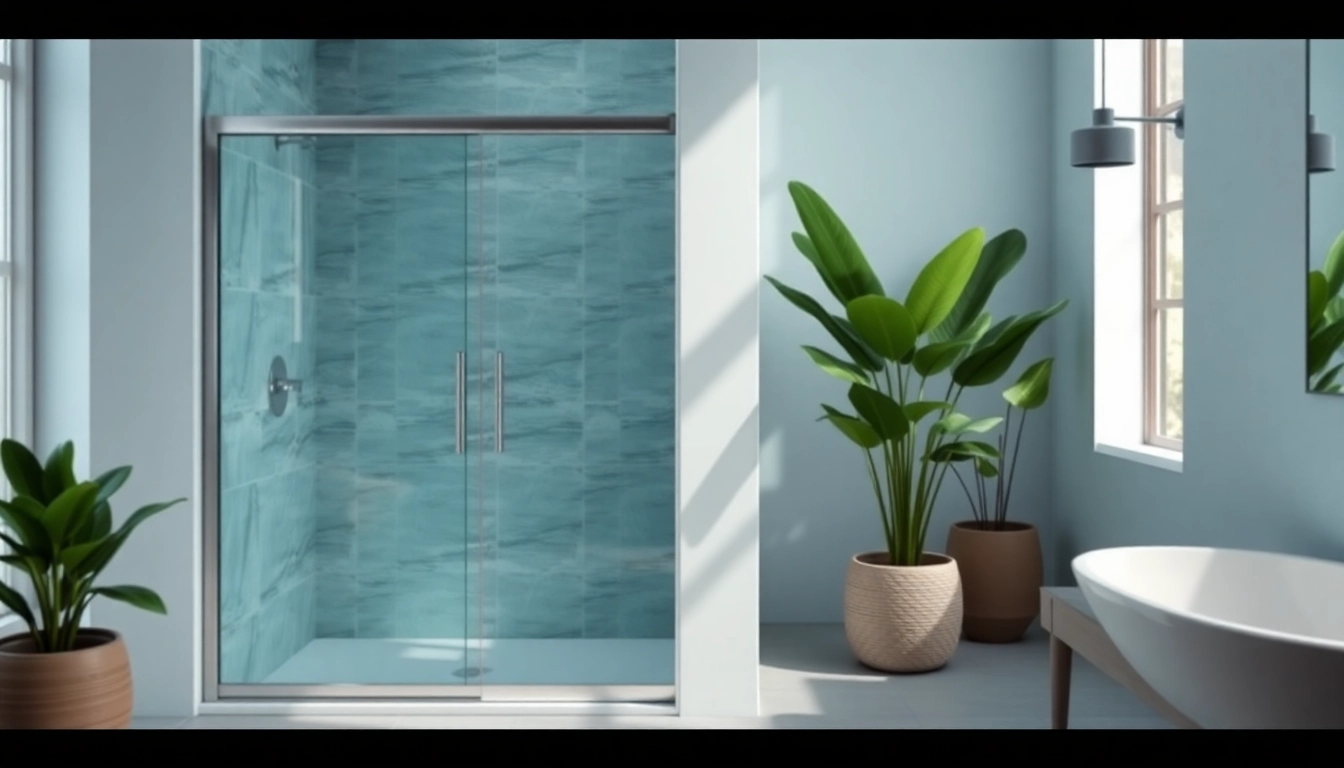
Introduction to Sliding Shower Doors
Sliding shower doors are a modern bathroom fixture that combines functionality and aesthetic appeal. They offer a seamless entry and exit to your shower space without the need for cumbersome swinging doors, which require more space to operate. Whether you’re renovating an existing bathroom or designing a new one, choosing the right sliding shower doors can significantly enhance the overall look and functionality of your space.
What Are Sliding Shower Doors?
Sliding shower doors are characterized by their ability to glide along a track, allowing one panel to move over another. Typically made from glass, these doors provide a clear view of the shower area and can make a bathroom appear larger. They come in various styles, including frameless, semi-framed, and fully framed designs, accommodating different aesthetic preferences and bathroom layouts.
Benefits of Sliding Shower Doors
There are several advantages to choosing sliding shower doors for your bathroom:
- Space Efficiency: Sliding doors don’t swing open, making them ideal for smaller bathrooms where space is limited.
- Accessibility: They allow easy entry and exit, especially for individuals with mobility challenges.
- Stylish Options: With various designs available, sliding doors can complement any bathroom decor, from contemporary to traditional.
- Easy Cleaning: Most modern sliding doors feature easy-to-clean surfaces, helping to maintain cleanliness with minimal effort.
- Enhanced Natural Light: Glass sliding doors allow natural light to flow, brightening the space and creating an airy ambiance.
Popular Styles and Designs
Sliding shower doors come in an array of styles that can cater to different tastes and bathroom designs. Here are some popular options:
- Frameless Sliding Doors: These doors offer a sleek and modern look, with minimal hardware visible, which helps highlight the beauty of the glass.
- Semi-Framed Doors: These provide a bit more structure than frameless doors while still maintaining a streamlined appearance.
- Fully Framed Doors: Traditional and durable, these doors have a more robust frame, providing sturdiness and various finish options.
- Curved Sliding Doors: Ideal for corner shower installations, these doors provide a unique aesthetic twist while saving space.
Choosing the Right Sliding Shower Doors
Selecting the ideal sliding shower doors requires careful consideration of a variety of factors, ensuring that you invest in a product that meets both your functional and aesthetic needs.
Factors to Consider Before Purchase
Before buying sliding shower doors, it’s important to evaluate the following factors:
- Space Dimensions: Measure your shower area carefully to ensure the doors will fit properly.
- Design Compatibility: Choose a design that complements the overall style of your bathroom.
- Glass Thickness: Thicker glass offers better durability and sound insulation.
- Hardware Quality: Ensure that the tracks and rollers are made from high-quality materials to prevent wear and ensure smooth operation.
- Budget: Set a realistic budget that includes the cost of both the doors and installation.
Material Options for Sliding Shower Doors
Sliding shower doors can be made from various materials, each offering unique benefits:
- Tempered Glass: This is the most commonly used material, known for its strength and safety as it shatters into small pieces rather than sharp shards.
- Acrylic: Lightweight and shatter-resistant, acrylic doors are also available in various colors and finishes, though they may scratch more easily than glass.
- Vinyl: A more budget-friendly option, vinyl is prone to warping and fading but can still be a good choice for less frequently used bathrooms.
Measuring Your Space Effectively
Accurate measurements are crucial when selecting sliding shower doors to ensure a perfect fit. Follow these steps for proper measurements:
- Width Measurement: Measure the width of the shower opening from wall to wall.
- Height Measurement: Measure from the top of the shower threshold (or base) to the ceiling or the top of the shower walls.
- Depth Measurement: If installing in a corner, measure the depth to ensure there’s enough space for the door to slide.
Installation of Sliding Shower Doors
Installing sliding shower doors can be tackled as a DIY project, provided you follow proper guidelines and have the right tools. Here’s a comprehensive guide to get you started.
Step-by-Step Installation Guide
- Prepare the Area: Clear the shower space and ensure that all surfaces are clean and dry.
- Assemble the Tools: You’ll need a level, drill, screwdrivers, tape measure, silicone sealant, and the sliding door kit.
- Install the Track: Follow the manufacturer’s instructions to install the upper and lower tracks. Ensure they are level and perfectly aligned.
- Attach the Door Panels: Lift the sliding doors into place and attach them to the tracks.
- Sealing the Edges: Apply silicone sealant to the edges to prevent leaks and enhance stability.
- Test the Doors: Open and close the doors to ensure they glide smoothly and make any adjustments if necessary.
Tools Required for Installation
For a successful installation, have the following tools at hand:
- Power Drill
- Tape Measure
- Screwdrivers (flathead and Phillips)
- Level
- Silicone Caulk
- Stud Finder (if needed)
Common Pitfalls to Avoid
Even with the best intentions, DIY installations can lead to mistakes. Avoid these common pitfalls:
- Inaccurate Measurements: Double-check all dimensions before making any cuts or installations.
- Poor Sealant Application: Ensure that no gaps remain when sealing to prevent leaks.
- Ignoring Manufacturer Instructions: Follow the provided guidelines closely for the best results.
- Skipping the Testing Phase: Always test the doors to ensure they operate smoothly before finishing the project.
Maintaining Your Sliding Shower Doors
To ensure that your sliding shower doors remain in optimal condition and retain their aesthetic appeal, regular maintenance is essential.
Cleaning and Care Tips
Cleaning sliding shower doors should be a priority to prevent buildup of soap scum and hard water stains. Here are some effective cleaning tips:
- Use a soft cloth or sponge to apply a gentle glass cleaner.
- For tougher stains, mix equal parts vinegar and water for a natural cleaning solution.
- Avoid abrasive cleaners or sponges that could scratch the surface.
- Wipe down the tracks to prevent dust and debris accumulation.
How to Keep Doors in Optimal Condition
To maintain the integrity of your sliding shower doors, consider these tips:
- Regularly check the rollers and tracks for obstructions.
- Lubricate the track system periodically to ensure smooth operation.
- Inspect the seals for wear and replace them if necessary to prevent leaks.
Signs You May Need Repairs
Be aware of the following signs that your sliding shower doors may require repairs:
- The doors don’t glide smoothly or get stuck.
- There are visible cracks or chips in the glass.
- Water leaks around the edges.
- The seals appear worn, causing drafts or moisture buildup.
FAQs About Sliding Shower Doors
What is the average cost of sliding shower doors?
The average cost varies but typically ranges from £200 to £800 depending on materials and design.
Can sliding shower doors be installed in small bathrooms?
Yes, sliding shower doors are ideal for small spaces as they do not require extra space for opening.
How often should I clean my sliding shower doors?
It’s best to clean them weekly to prevent soap scum and mineral deposits from building up.
Are sliding shower doors energy-efficient?
Sliding shower doors provide an air-tight seal, which can help in maintaining temperature and conserving energy.
What materials are best for sliding shower doors?
Glass is the most popular choice, but acrylic and vinyl can also be good options for durability and style.