Understanding Seamless Living
What is Seamless Living?
Seamless Living is an integrated lifestyle approach that emphasizes harmony and fluidity in living spaces, bridging the gap between functionality and aesthetic appeal. It promotes an environment where different aspects of life—home, work, leisure—coalesce without boundaries, creating a tranquil and efficient atmosphere. The goal is to design a home that encourages interactions and connectivity while maintaining a sense of flow. By implementing principles of design and organization, one can achieve a sanctuary that prioritizes comfort and well-being. This holistic view can reshape your environment, allowing you to embrace a Seamless Living philosophy fully.
Benefits of Seamless Living
The benefits of Seamless Living extend far beyond mere aesthetics. By fostering an integrated living environment, individuals can experience enhanced productivity, reduced stress, and improved well-being. Here are some significant advantages:
- Increased Productivity: A functional space maximizes efficiency and minimizes distractions.
- Enhanced Comfort: Thoughtful design and organization lead to an inviting, cozy atmosphere.
- Better Time Management: A seamless flow reduces the time and effort spent on chores and clutter management.
- Improved Well-Being: A balanced environment promotes mental health and physical wellness.
- Stylish Cohesion: A unified design aesthetic creates visually pleasing, harmonious spaces.
Key Elements of Seamless Living
Creating a seamless living environment involves several key elements, including layout, decor, functionality, and resources. Here are the foundational elements to consider:
- Flow: Ensure spaces are connected naturally, allowing for unobstructed movement.
- Multi-functionality: Use furniture and spaces that serve multiple purposes to maximize usability.
- Unified Aesthetics: Choose a consistent color palette and style throughout the home.
- Natural Light: Utilize natural light strategically to enhance the mood and functionality of spaces.
- Technology Integration: Seamlessly integrate technology to enhance comfort and efficiency.
Designing Your Space for Seamless Living
Choosing the Right Colors and Materials
Your choice of colors and materials sets the tone for your home and can greatly impact the sense of flow. Earthy tones encourage warmth and comfort, while brighter colors can energize a space. Here are some tips:
- Neutral Base: Start with a neutral color palette for walls and larger items.
- Accent Colors: Introduce accent colors through decor to add personality.
- Natural Materials: Consider wood, stone, and textiles that create a tactile experience.
- Consistency: Use similar materials or finishes across different spaces to maintain cohesiveness.
Furniture Placement Strategies
Strategically placing furniture can dramatically improve flow and function within your home. Consider the following strategies for effective furniture placement:
- Open Layouts: Opt for designs that promote open spaces over closed-off rooms.
- Ventilation and Light: Arrange furniture to allow for airflow and light to penetrate effectively.
- Zone Definition: Use furniture to create defined areas without obstructing movement.
- Symmetry and Balance: Maintain balance with symmetrical arrangements to create visual appeal.
Integrating Nature into Your Home
Nature has a restorative effect on well-being, making it an essential part of seamless living. Here’s how to bring the outside in:
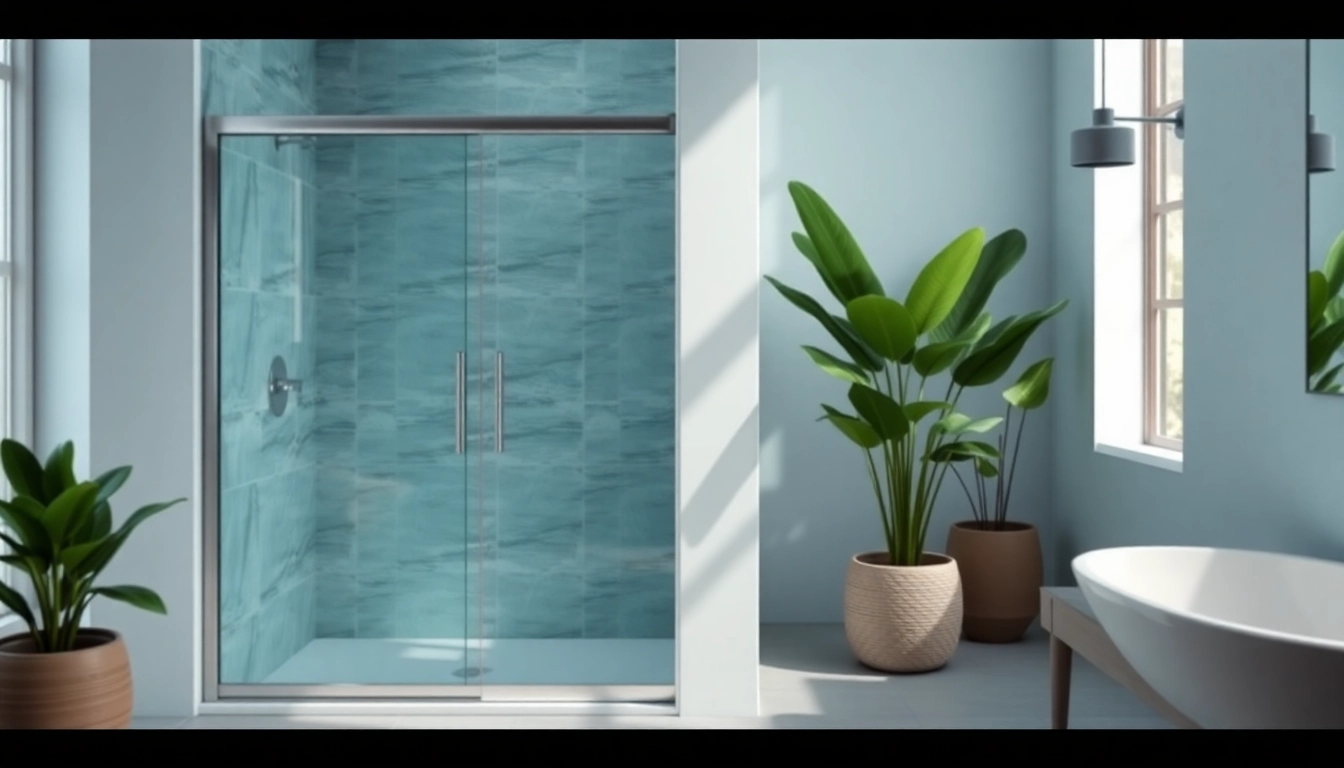
- Indoor Plants: Introduce a variety of indoor plants to improve air quality and promote serenity.
- Natural Materials: Incorporate wood, stone, and natural fibers in your design.
- Natural Light: Maximize window space and use translucent materials to create bright spaces.
- Outdoor Spaces: If possible, create seamless transitions between outdoor living and indoor spaces.
Implementing Technology for Seamless Living
Smart Home Features
Smart home technology is integral to achieving Seamless Living. It enhances convenience, security, and energy efficiency, facilitating a modern sanctuary. Key technologies include:
- Smart Thermostats: Adjust temperatures automatically to suit lifestyle patterns.
- Voice-Controlled Assistants: Allow for hands-free control of various home functions.
- Automated Lighting: Set schedules for lights based on daily activities and moods.
- Home Security Cameras: Enhance peace of mind with remote monitoring.
Utilizing Lighting Effectively
Lighting plays a critical role in creating a seamless living environment. Proper lighting enhances mood, highlights design features, and increases functionality. Here are effective lighting strategies:
- Layering: Use multiple light sources (ambient, task, accent) for dimmable options.
- Natural Light: Prioritize natural light, using window treatments that allow flexibility in regulation.
- Smart Lighting: Implement smart lighting solutions for customizable ambiance at any time of day.
- Highlight Features: Use spotlights to accentuate artwork or architectural elements.
Maintaining a Clean and Organized Space
Organization is key in achieving a seamless living experience. Here’s how to create and maintain an orderly home:
- Decluttering: Regularly review belongings and eliminate the unnecessary.
- Organizational Tools: Use storage solutions that fit seamlessly into your decor.
- Daily Routines: Establish a daily routine for tidying to keep spaces functional.
- Importance of Minimalism: Embrace a minimalist approach to design for a more peaceful environment.
Examples of Seamless Living Spaces
Modern Minimalist Homes
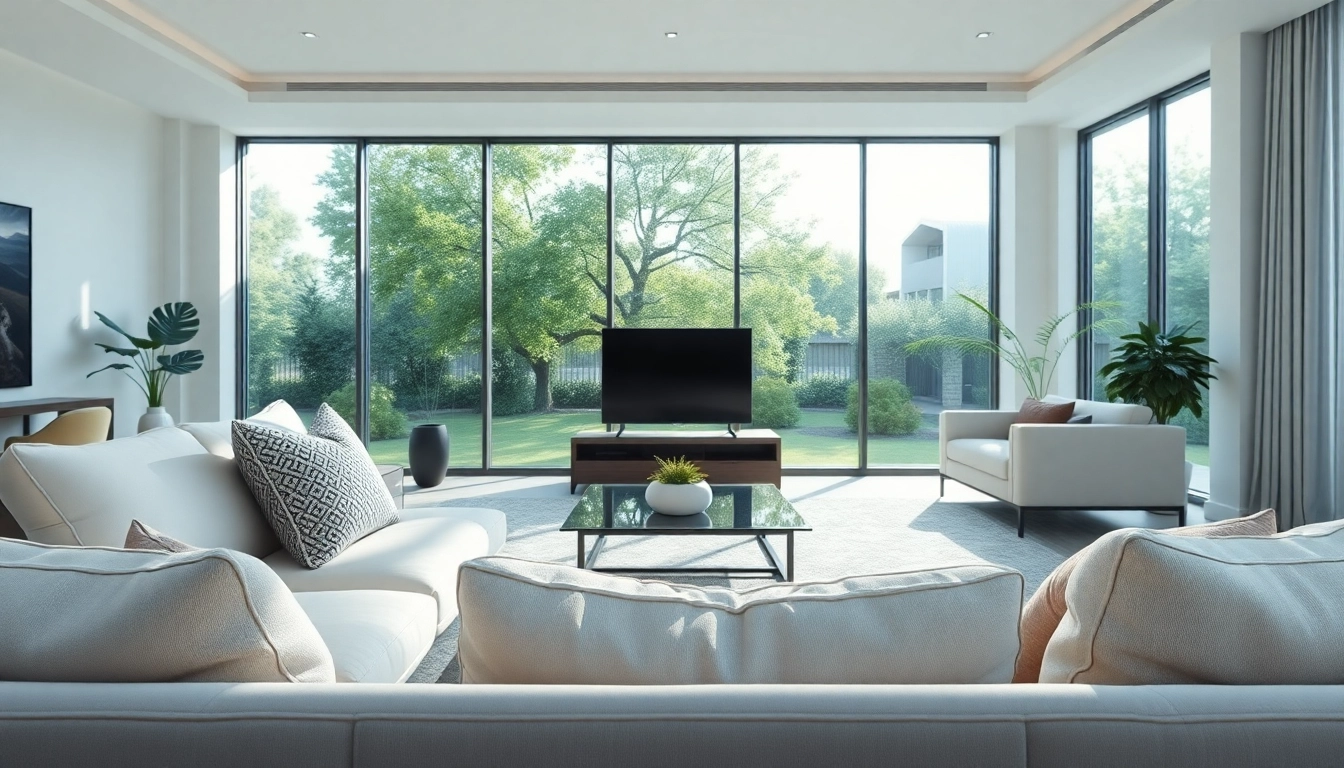
Modern minimalist homes are prime examples of Seamless Living, emphasizing simplicity and a clean aesthetic. Key features include:
- Open floor plans to promote movement between spaces.
- Neutral color schemes with occasional bold accents.
- Multi-functional furniture that offers practicality and style.
- Natural lighting and limited decorative elements for a serene environment.
Cozy Family Living Areas
Cozy family spaces prioritize warmth and interaction. Key aspects include:
- Comfortable seating arrangements that encourage socialization.
- Soft textures with warm colors to create a welcoming feel.
- Strategic lighting to enhance mood and usability.
- Personal touches like family photos that invite connection.
Urban Apartments with Charm
Urban apartments can embody Seamless Living by utilizing innovative designs and spaces. Features include:
- Smart solutions for storage in smaller spaces.
- Integration of outdoor spaces like balconies or rooftop gardens.
- Bright, inviting decor that merges modern and vintage styles.
- Technological integration for convenience in city living.
Frequently Asked Questions about Seamless Living
What is the concept of Seamless Living?
Seamless Living emphasizes a harmonious and integrated lifestyle that unites different aspects of life within the home, focusing on functionality and aesthetic appeal.
How can I achieve Seamless Living at home?
To achieve Seamless Living, focus on creating flow, choosing cohesive colors and materials, and integrating technology to enhance comfort and ease of living.
What role does lighting play in Seamless Living?
Lighting plays a pivotal role in Seamless Living by influencing mood, enhancing space appearance, and contributing to the functional layout of different areas within the home.
Can technology enhance Seamless Living?
Yes, technology enhances Seamless Living by providing convenience, improving energy efficiency, and ensuring security, thus elevating the overall comfort of your home.
What are some common design mistakes to avoid?
Common design mistakes include overcrowding spaces, ignoring natural light, and using too many contrasting colors, which can disrupt the desired seamless flow.