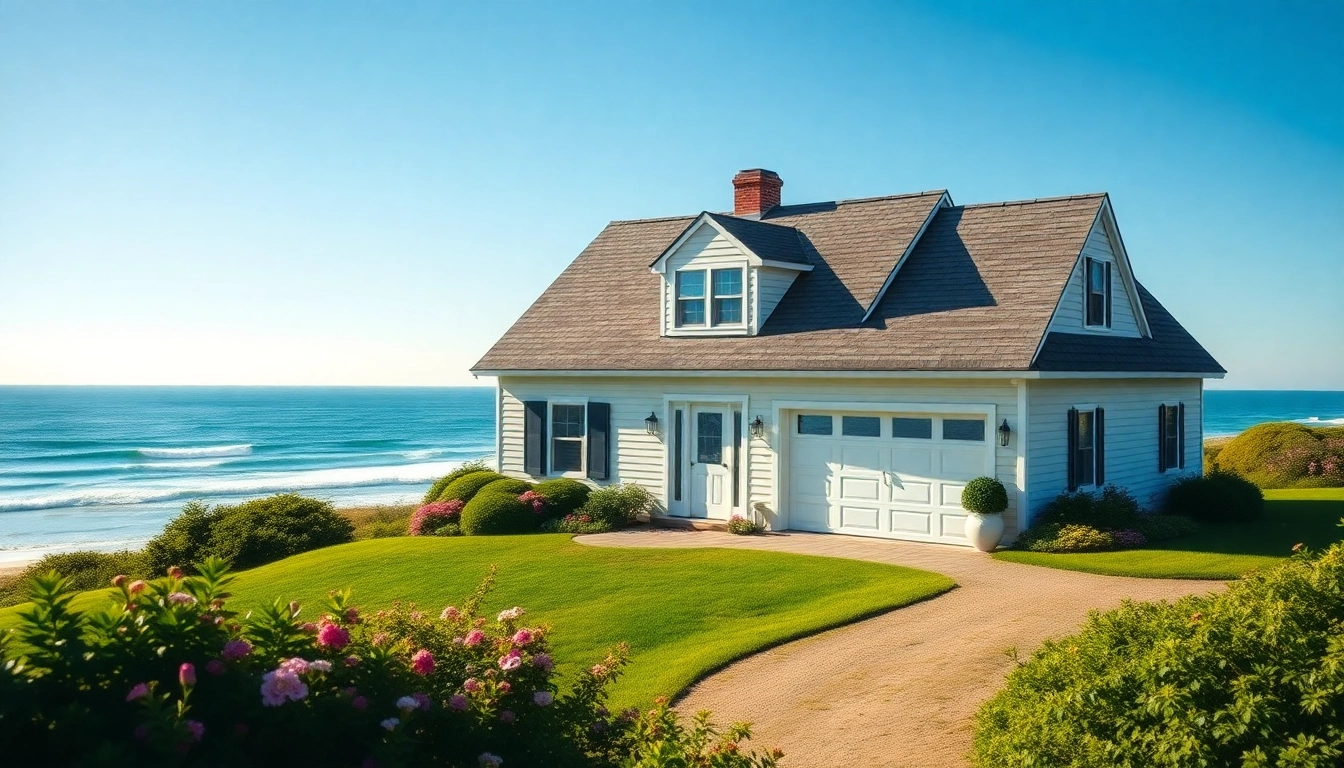
Understanding the Essence of Cape Cod Home
Historical Background and Architectural Style
The Cape Cod home is a distinctive architectural style that emerged during the colonial period in New England. Originating in the 17th century, this home style was developed by early settlers who sought to create dwellings that could withstand the harsh coastal climate. The simple yet effective design comprised steep roofs to prevent snow accumulation, a symmetrical facade, and dormer windows to maximize natural light. As these homes have evolved, they have become a quintessential symbol of New England’s architectural heritage, representing resilience and charm.
Distinctive Features of the Cape Cod Home
The characteristics of a traditional Cape Cod home are unmistakable. Typically one to one-and-a-half stories, these houses often feature clapboard siding, gabled roofs, and large central chimneys. The exterior is usually painted in muted colors that blend with the natural surroundings. Inside, the layout is open and straightforward, with a central hall that leads to various rooms. Features such as brick fireplaces, built-in shelves, and wood beams preserve the homes’ historical essence while providing a cozy ambiance.
Modern Adaptations and Trends
Today, Cape Cod homes are being modernized to fit contemporary lifestyles while retaining their classic appeal. Homeowners are opting for open floor plans that enhance the flow of natural light, as well as modern materials that provide enhanced durability. In addition, environmentally sustainable practices are making their way into renovations, including energy-efficient windows and additional insulation. These adaptations create a perfect blend of traditional charm and modern conveniences, allowing the cape cod home to thrive well into the future.
Planning Your Cape Cod Home Expansion
Assessing Your Needs and Goals
When considering an expansion to your Cape Cod home, the first step is defining your needs and goals. Start by evaluating the current living space and identifying what functions are lacking. Are you looking for additional bedrooms, a larger kitchen, or perhaps a home office? Engaging with your family to assess individual needs is essential. A clear understanding of your objectives can guide the design process and ensure your expansion fulfills its purpose efficiently.
Working with Designers and Architects
Once you have pinpointed your needs, collaborating with designers and architects familiar with Cape Cod architecture is vital. They can help merge your vision with the home’s existing aesthetic, ensuring that the expansion appears seamless. You should discuss your budget, desired materials, and the overall aesthetic you hope to achieve. Involving professionals in this stage can elevate the project and prevent costly missteps down the line.
Budgeting for Your Cape Cod Home Project
Budgeting effectively is crucial for a successful home expansion. Consider all expenses, including permits, materials, labor, and potential contingencies. It may also be wise to allocate a portion of your budget for unforeseen costs that often arise in construction projects. Researching local building costs and obtaining multiple quotations from contractors can also help you assess a realistic financial plan. Establishing a well-defined budget lays a strong foundation for your project.
Choosing Materials for Your Cape Cod Home
Classic Materials and Their Benefits
Traditional Cape Cod homes are typically constructed using timeless materials, such as shingles and clapboard siding. Both materials contribute to the visual appeal and durability of the home. Shingled exteriors, whether painted or stained, provide natural insulation and resist the elements effectively. Additionally, wooden beams and built-ins enhance architectural character, giving homeowners an opportunity to maintain the charming atmosphere of their Cape Cod home.
Innovative Material Options for Durability
While classic materials have their charm, modern innovations present exciting alternatives that offer durability and efficiency. Materials like fiber-cement siding mimic traditional cladding while providing superior weather resistance. Metal roofing is another durable option that promises longevity, with several colors and styles available to preserve the aesthetic of a Cape Cod home. When selecting materials, consider energy efficiency labels and warranties to ensure your choice is worthwhile.
Sustainable Choices for Eco-friendly Construction
Building sustainably not only benefits the environment but can also save you money in the long run. Incorporating recycled materials, energy-efficient windows, and local wood products can minimize your home’s carbon footprint. Additionally, using low-VOC paints and finishes contributes to better indoor air quality. Understanding sustainable building practices and investing in eco-friendly materials for your Cape Cod home will make it more livable and appealing.
Landscaping Your Cape Cod Home
Creating Outdoor Living Spaces
Outdoor living spaces are essential to enhance the overall enjoyment of your Cape Cod home. Consider incorporating features like patios, decks, or porches that allow for relaxation and entertainment. Improving your outdoor areas with comfortable seating, fire pits, or outdoor kitchens encourages family gatherings and creates an inviting atmosphere. Strategically placing landscaping elements enhances not just functionality but the aesthetic appeal of the property.
Native Plants and Fixtures to Enhance Curb Appeal
Utilizing native plants in your landscaping can significantly enhance curb appeal while also supporting local ecosystems. Choose plants that thrive in your climate and require minimal maintenance. Ornamental grasses, wildflowers, and native shrubs provide visual interest year-round and can attract beneficial wildlife. Additionally, incorporating tasteful fixtures such as lanterns, benches, and garden trellises assists in creating a cohesive look that complements your Cape Cod home.
Maintaining Your Landscape for All Seasons
To keep your Cape Cod home looking its best, it’s important to establish a seasonal maintenance routine. Regularly trimming hedges, cleaning garden beds, and introducing seasonal flowers can elevate your landscape throughout the year. A well-maintained landscape not only enhances the beauty of your home but also increases property value. Consider creating a maintenance calendar to ensure each task is completed timely, adapting for weather changes as necessary.
FAQs About Cape Cod Home Design
What defines a classic Cape Cod home?
A classic Cape Cod home features steep roofs, symmetrical facades, and dormer windows, portraying a simple yet charming aesthetic.
How can I modernize a Cape Cod home?
Modernizing can include fresh paint colors, updated fixtures, and open floor plans that enhance natural light and functionality.
What is the typical size of a Cape Cod home?
Typical Cape Cod homes range from 1,200 to 2,500 square feet, depending on the design and specific needs of the homeowner.
What landscaping works best with Cape Cod homes?
Low-maintenance gardens with native plants, stone pathways, and decorative benches enhance the charm of Cape Cod homes significantly.
Are Cape Cod homes energy efficient?
When well-insulated and updated with modern technologies, Cape Cod homes can achieve high energy efficiency and lower utility bills.