Understanding Baseboards: A Comprehensive Guide
What Are Baseboards?
Baseboards are the thin strips of material installed along the bottom of interior walls, serving as a transition between the wall and the floor. They come in various styles, materials, and heights, functioning both decoratively and practically. Not only do they provide a finished look to a room, but they also protect the wall from damage, dust accumulation, and moisture. Choosing the right baseboards can significantly enhance the aesthetic appeal and functionality of your space.
The Importance of Baseboards in Home Design
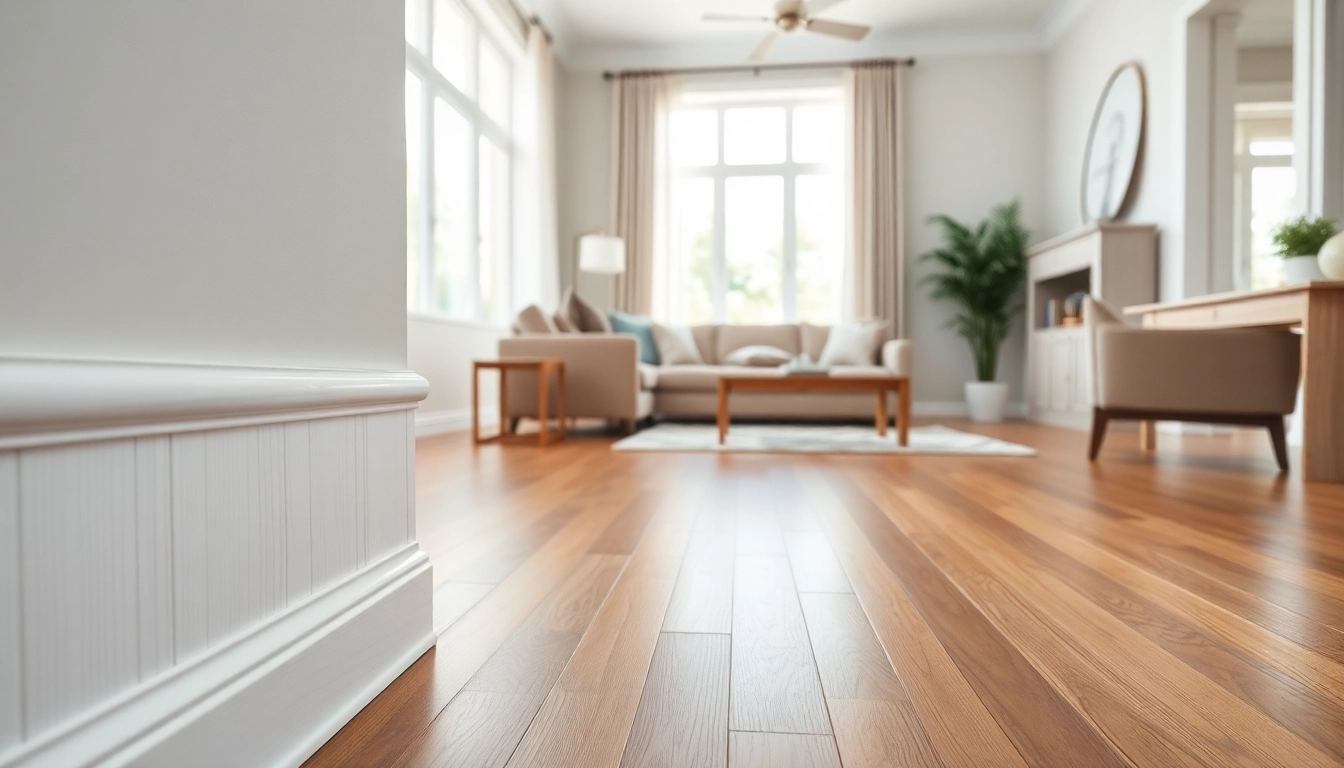
Baseboards play a crucial role in home design. They help to create visual interest and define the lines of a room. They can accentuate a taller ceiling or add depth to compact spaces. Moreover, they serve as a protective barrier against scuffs and marks that occur from day-to-day activities. In homes with wood floors, baseboards can provide a necessary finish that complements the flooring material. In essence, well-chosen and well-installed baseboards are key elements that contribute to the overall ambiance of your home.
Types of Baseboards Available
There are several types of baseboards available, each varying in material, size, and style. Common materials include:
- Wood: Classic and versatile, wood baseboards can be stained or painted and come in various profiles.
- MDF (Medium Density Fiberboard): Cost-effective and smooth, MDF is popular for painted finishes.
- Vinyl: Durable and moisture-resistant, vinyl baseboards are great for areas like bathrooms or kitchens.
- Polystyrene: Lightweight and easy to install, these baseboards offer a great alternative for DIY projects.
Choosing the Right Baseboards for Your Space
Factors to Consider When Selecting Baseboards
When selecting baseboards, consider the following factors:
- Height: The height of baseboards can affect the scale of a room. Taller baseboards can make ceilings appear higher.
- Material: Choose a material that suits the room’s environment and your personal maintenance preferences.
- Style: Baseboard styles should complement architectural details and the overall aesthetic of the space.
- Color: The color of baseboards can either blend in with walls for a seamless look or contrast for a more dynamic effect.
Matching Baseboards with Your Interior Style
Your interior style significantly influences how you choose your baseboards. For traditional designs, consider ornate profiles and rich wooden materials. If your decor is modern or minimalist, opt for sleek, low-profile baseboards in neutral colors. Eclectic spaces might benefit from bold styles that stand out. Ultimately, aligning baseboard choices with your home’s design theme will create harmony throughout your space.
Common Mistakes to Avoid
Selecting baseboards can be a daunting task; avoid these common pitfalls:
- Ignoring Proportions: Ensure your baseboards are appropriately scaled to accommodate the room’s dimensions.
- Overcomplicating Design: Simplicity can often be more effective than intricate designs that clash with existing decor.
- Neglecting Functionality: Baseboards should enhance aesthetics but also protect walls; choose durable materials where needed.
DIY Installation of Baseboards: Step-by-Step
Essential Tools and Materials Needed
To install baseboards, gather the following tools and materials:
- Circular saw or miter saw
- Nail gun or hammer
- Pneumatic compressor (if using a nail gun)
- Measuring tape and square
- Wood glue
- Caulk and caulk gun
- Sandpaper and painter’s tape
Measuring and Cutting Baseboards
First, accurately measure the perimeter of the room where baseboards will be installed. Use a miter saw to cut the baseboards at 45-degree angles for mitered corners. Ensure cuts are clean and precise for a seamless fit. Always dry-fit baseboards before nailing them down, making adjustments as necessary for variations in wall thickness or floor unevenness.
Installation Techniques for a Professional Finish
To install baseboards effectively:
- Begin at one corner, ensuring that the first piece is level and flush with the wall.
- Use a nail gun to secure the baseboard to the wall, placing nails at intervals of about 16 inches.
- Use wood glue in addition to nails for added stability.
- Fill nail holes with putty, sand, and caulk along the top seam to achieve a polished look.
Maintaining and Painting Your Baseboards
Best Practices for Cleaning Baseboards
Regular cleaning of baseboards prevents buildup of dust and grime. Use a soft cloth or a vacuum attachment for quick cleanups. For stubborn stains, a mild cleaning solution with water works best. Be cautious with abrasive cleaners or scrubbing pads, as they can damage the finish.
Choosing the Right Paint for Baseboards
When painting baseboards, select a durable, high-gloss, or semi-gloss paint that withstands scuffs and stains. Consider the hue; white is classic, while a bold color can make a statement. Proper preparation is key: clean, sand, and caulk any gaps before applying paint for the best results.
When to Repaint or Replace Your Baseboards
Repainting is advisable every few years, particularly if the paint is chipping or showing signs of wear. If your baseboards are damaged beyond repair—cracked, warped, or significantly scuffed—consider replacing them entirely. Modern styles and materials may also encourage an update to enhance your home’s appeal.
Frequently Asked Questions About Baseboards
How high should baseboards be?
Baseboards typically range from 3 to 6 inches in height. Taller baseboards can create an elegant look, while shorter ones suit modern or minimalist styles.
What materials are best for baseboards?
Wood and MDF are popular choices for baseboards. The best material depends on the room environment and your aesthetic preference.
Can I paint over existing baseboards?
Yes, painting over existing baseboards is a great way to refresh their look. Make sure to clean and prepare them before starting.
How do I fix damaged baseboards?
Dings and scratches can often be filled with wood filler or putty. For significant damage, replacing the affected section may be necessary.
What styles of baseboards are trending now?
Current trends include wider baseboards, sleek modern profiles, and minimalistic designs in materials like MDF or painted finishes.