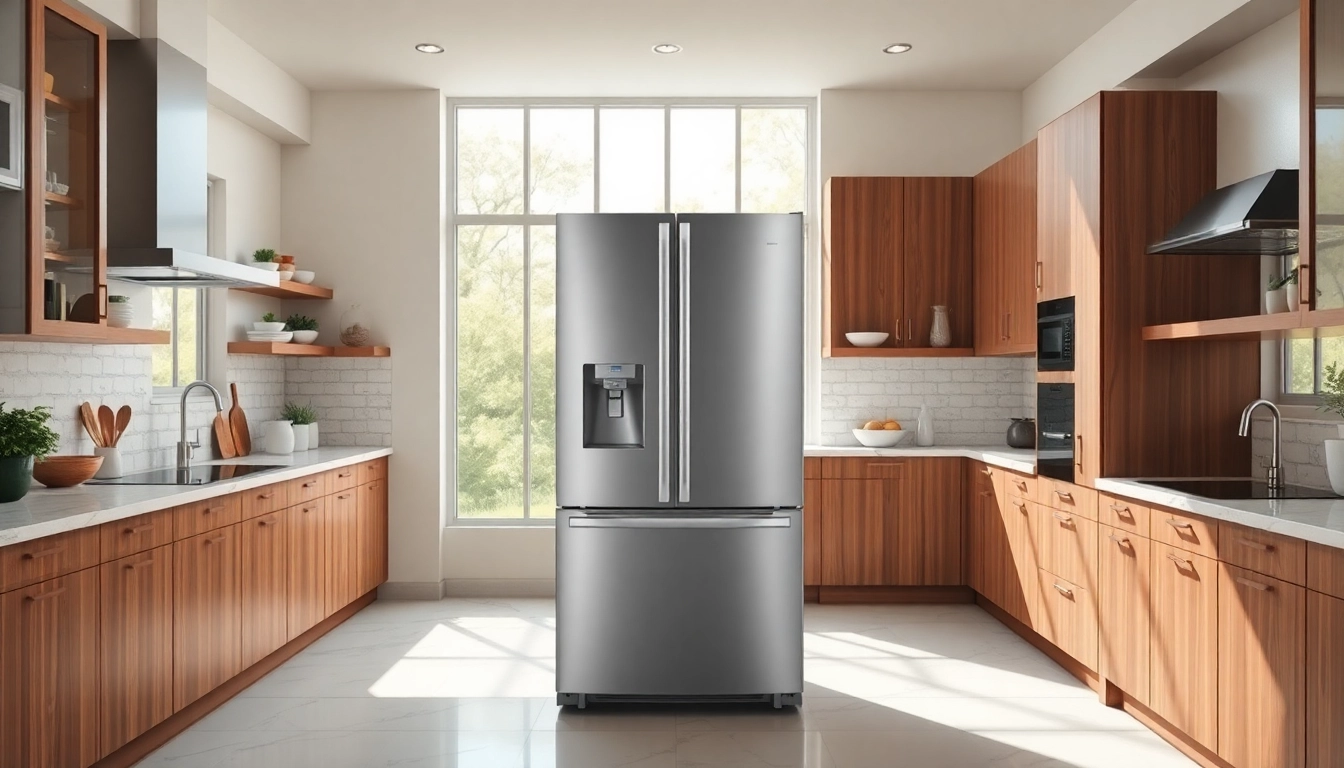
Understanding the Different Types of Freezer
Choosing the right type of Freezer can significantly influence your food storage efficiency, energy consumption, and kitchen organization. It’s essential to understand the various options available to select the one that perfectly suits your needs. Below, we’ll explore the three main types of freezers: chest, upright, and portable, discussing their respective benefits and drawbacks in detail.
Chest Freezer: Benefits and Drawbacks
Chest freezers are characterized by their horizontal design, featuring a lid on top. They are generally larger than upright freezers, making them an excellent option for bulk storage.
Benefits:
- Energy Efficiency: Chest freezers tend to use less energy than their upright counterparts, making them more environmentally friendly and cost-effective for long-term storage.
- Better Temperature Retention: The horizontal layout helps maintain a consistent temperature, ensuring your food stays frozen for longer during power outages.
- Spacious Storage: With more usable space inside, chest freezers can hold larger items and more food, providing flexibility for bulk purchases.
Drawbacks:
- Accessibility: The layout can make it challenging to locate items at the bottom without digging through the contents.
- Floor Space: Chest freezers occupy more floor space, which may not be suitable for smaller kitchens.
- Temperature Fluctuations: While they hold temperature well, frequent opening can cause variations that may affect food quality.
Upright Freezer: Pros and Cons
Upright freezers, similar to traditional refrigerators in design, feature a vertical configuration and shelves that allow for efficient organization of frozen foods.
Pros:
- Space-Saving Design: The vertical layout makes these freezers more suitable for smaller spaces, fitting snugly against walls.
- Easy Organization: Shelving and door compartments allow for better organization, making it easier to find items.
- Convenient Accessibility: You don’t need to bend or squat to access food, which can be a notable advantage for those with mobility issues.
Cons:
- Energy Consumption: They generally consume more energy than chest freezers, making them less cost-effective for long-term storage.
- Less Storage Capacity: Even large upright freezers tend to have less overall capacity as compared to chest models.
- Temperature Control: Opening the door allows cold air to escape, potentially leading to temperature fluctuations.
Portable Freezer: Ideal Uses
Portable freezers are compact, often designed for travel, camping, or small spaces. They can be powered by household current or car batteries.
Ideal Uses:
- Camping and Road Trips: Keep your food fresh while enjoying the great outdoors without worrying about spoilage.
- Small Living Spaces: Perfect for apartments or dorms where a full-size freezer is impractical.
- Emergency Preparations: Useful for storing extra food in case of emergencies when power outages occur.
Though compact and versatile, portable freezers might not have the capacity needed for larger households.
Key Features to Look for in a Freezer
Choosing the right freezer entails looking beyond just the price tag. The features can greatly affect usability and efficiency. Here, we highlight critical elements to consider, making the selection process easier.
Energy Efficiency Ratings Explained
Energy efficiency is crucial not only for lowering your electricity bills but also for minimizing environmental impact. Look for freezers with an ENERGY STAR certification, which indicates that the appliance meets strict energy efficiency guidelines. The rating helps you understand how much energy the freezer will consume and enables you to make informed decisions based on operational costs over time.
Storage Capacity and Space Considerations
Before purchasing a freezer, measure the space you have available and consider how much storage capacity you actually need. If you plan to freeze bulk purchases or supplies, a larger model might be necessary. Conversely, if you only need to store leftovers and occasional purchases, a smaller model will suffice. Make sure to account for your typical grocery shopping habits to gauge your storage needs accurately.
Temperature Control Functions and Reliability
A reliable freezer should offer precise temperature control. Look for models that provide a temperature display for monitoring, adjustable thermostat settings, and alarms to notify you of temperature fluctuations. These features help ensure your food remains at safe temperatures, preserving freshness and preventing spoilage.
How to Maintain Your Freezer for Optimal Performance
Regular maintenance is essential for keeping your freezer performing at its best. By following some simple procedures, you can extend the lifespan of your appliance and ensure it runs efficiently.
Routine Cleaning and Maintenance Tips
Cleaning your freezer should be part of your routine maintenance. Regularly check for frost buildup inside, which can impact efficiency. To clean, unplug the unit, remove all food items, and use a solution of mild soap and water to wipe down all surfaces. Make sure to dry it thoroughly before restocking it with food.
Signs Your Freezer Needs Repairs
Pay attention to any unexpected changes in your freezer’s performance. Common signs that your freezer may need repairs include unusual noises, fluctuating temperatures, excessive frost buildup, and leaks. Address these issues promptly to avoid further damage or spoilage of food.
Best Practices for Loading Your Freezer
Proper loading techniques can significantly enhance the efficiency of your freezer. Avoid overcrowding to allow for better air circulation. Use clear containers and label food items so you can quickly identify what you have, reducing the need to open the door frequently. Additionally, always store food in airtight containers to minimize odor transfer and prevent freezer burn.
Freezer Safety Tips: Keeping Food Fresh
Maintaining food safety in your freezer is crucial. Here are some practical tips to ensure food remains safe and fresh.
Proper Temperature Settings for Different Foods
Freezers should be set to 0°F (-18°C) to maintain food quality and safety. Some foods, such as ice cream, do better at slightly higher temperatures, around -10°F (-23°C). Understanding the ideal temperatures for various food items can help preserve their freshness and taste.
Thawing Guidelines to Prevent Contamination
When thawing frozen food, always do so safely to prevent bacterial growth. The best methods are in the refrigerator, under cold running water, or using a microwave. Avoid thawing food at room temperature, as it may encourage bacterial growth and lead to foodborne illnesses.
Storage Techniques to Maximize Freshness
Utilizing the correct storage techniques can make a significant difference in food quality. For example, wrap meats tightly in plastic wrap or foil, use vacuum-sealed bags for freezing vegetables, and make sure to keep your freezer well-organized. These best practices ensure that your food maintains its texture and flavor even after being frozen for extended periods.
Common Freezer Issues and Troubleshooting
Even the most efficient freezers can face issues over time. Understanding common problems and their solutions can save you time, money, and hassle.
What to Do If Your Freezer Overheats
If you suspect your freezer is overheating, check to ensure that it has adequate ventilation and that the temperature settings haven’t been altered. Inspect the door seals for airtightness; damaged seals may cause the appliance to overwork. If the issue persists, it may be time to consult with a repair technician.
Addressing Freezer Odors and Contaminants
Freezer odors can arise from spoiled food or improper storage methods. To eliminate odors, start by cleaning the interior and removing any spoiled items. Consider placing an open container of baking soda inside to absorb remaining odors. Ensure that foods are properly packaged to prevent cross-contamination, which can lead to undesirable smells.
When to Call a Professional Repair Service
If you notice persistent issues that you cannot troubleshoot, or if your freezer is older and frequently requiring repairs, it may be time to consult a professional. Persistent problems or unusually high repair costs can indicate that it might be more economical to replace the unit rather than continuing to invest in repairs.
FAQs
1. How long will a freezer keep food frozen without power?
A full freezer will keep food frozen for approximately 48 hours if the door remains closed, while a half-full freezer may last for about 24 hours.
2. Is it better to store food in plastic or glass containers in the freezer?
Glass containers are generally better for freezing as they are less prone to absorbing odors and can withstand temperature changes. However, ensure they are freezer-safe to prevent cracking.
3. How can I tell if food is still good after being frozen?
Check for signs like discoloration, freezer burn, or off smells. If the food looks and smells normal, it should be safe to consume, but quality may be affected.
4. Can I refreeze food after it has thawed?
Food can be refrozen if it was thawed in the refrigerator and has not reached temperatures above 40°F. If thawed using other methods, it is best not to refreeze.
5. What is the most energy-efficient freezer type?
Chest freezers are typically the most energy-efficient option, using less energy compared to upright and portable models due to their design and better insulation.