What is Derailment?
Definition of Derailment
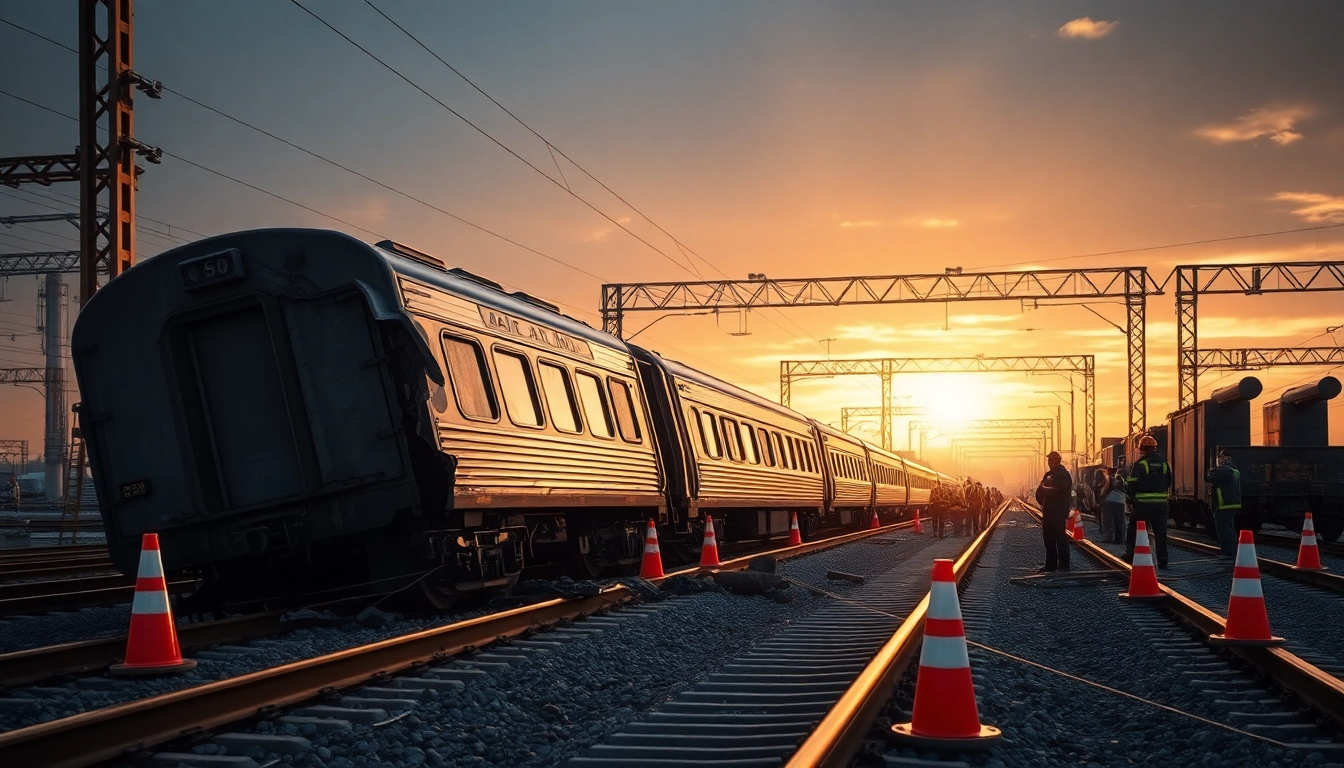
Derailment refers to an incident in rail transport when a moving train or rail vehicle comes off its tracks. This serious event can result in significant disruption not only in train operations but also potentially to public safety, the environment, and the economy. While some derailments may be minor, the consequences can be severe, leading to injuries, fatalities, and considerable damage to infrastructure and cargo.
Historical Context of Derailment
The history of derailment dates back to the early days of railway travel, with the first recorded instance occurring in the 19th century. Over the decades, numerous factors—including increased rail traffic, aging infrastructure, and technological advancements—have contributed to the evolving nature of derailments. From early wooden tracks to today’s advanced rail systems, the response and techniques used to manage derailments have significantly improved. Nonetheless, preventing derailments remains a major focus for rail companies and regulators alike.
Types of Train Derailments
Train derailments can be broadly classified into several types based on their causes and impacts. Common types include:
- Wheel-related derailments: These occur when the wheels of a train lose contact with the track due to imbalances or defects.
- Track-related derailments: These derailments happen because of issues with the track infrastructure, such as broken rails or misaligned tracks.
- Environmental derailments: Factors such as landslides, flooding, and severe weather can contribute to derailments.
- Human error-related derailments: Accidents that occur due to mistakes during train operation or maintenance.
Common Causes of Derailment
Track Failures Leading to Derailment
Track failures are one of the leading causes of train derailments. Issues such as broken rails, misaligned tracks, and defects in the supporting infrastructure can lead to catastrophic failures. Regular inspections and maintenance are crucial in identifying and rectifying these issues before they result in a derailment. Infrastructure investments and technological advancements, such as smart sensors, can also play a significant role in monitoring the condition of railways and preventing such incidents.
Equipment Malfunctions and Derailment
Beyond track issues, mechanical failures of rolling stock—such as wheel defects or faulty braking systems—can also result in derailment. Equipment malfunctions often happen due to poor maintenance practices or design flaws. Rail operators must establish stringent maintenance regimes and employ predictive maintenance technologies to ensure that all equipment remains operational and safe.
Environmental Factors Contributing to Derailment
The natural environment can substantially increase the risk of derailment. Weather conditions such as heavy rainfall can cause flooding or landslides, while extreme temperatures can lead to track warping. Rail companies need to consider such environmental factors when designing routes and establish contingency plans for adverse weather conditions to mitigate risks.
Consequences of a Derailment
Impact on Public Safety
Derailments pose significant risks to public safety. The immediate threat includes possible injuries or fatalities among passengers and crew members, as well as the potential for harm to individuals living near the rail lines. In some cases, the release of hazardous materials from derailed cargo can exacerbate public health threats, emphasizing the importance of rapid response mechanisms.
Economic Implications of Derailment
The economic fallout from derailments can be profound. Incidents often lead to prolonged service disruptions, resulting in not only direct costs associated with repairs but also indirect losses, such as decreased cargo transport efficiency. Rail companies may face lawsuits and liability claims, further straining financial resources. Effective crisis management plans and insurance coverage are vital to mitigate these economic impacts.
Environmental Damage from Derailment
Derailments frequently have serious environmental consequences, particularly when freight trains carrying hazardous materials are involved. The risk of spills and contamination can lead to significant ecological damage, affecting soil, water sources, and local wildlife. Emergency response protocols must prioritize environmental protection to minimize damage and ensure compliance with regulatory frameworks.
Response and Recovery Strategies Post-Derailment
Immediate Response to Derailment Incidents
A swift and effective immediate response is crucial in the aftermath of a derailment. Emergency services must assess the situation, ensure public safety, and begin salvage operations. Collaboration between railway operators, local authorities, and emergency responders is vital for effectively managing the incident. Communication with the public and stakeholders also plays a critical role in maintaining trust and disseminating accurate information.
Long-term Recovery Plans
Once immediate threats have been addressed, long-term recovery plans should be implemented. This involves restoring rail services, repairing infrastructure, and evaluating and revising safety measures. Stakeholder engagement, including local community input, can be beneficial for rebuilding trust and ensuring that future operations adhere to heightened safety standards.
Lessons Learned from Past Derailments
Every derailment can offer insights into better practices. By studying previous incidents, rail operators can identify weaknesses in their safety protocols and make necessary changes to training, technology, and operational strategies. A culture focused on learning and continuous improvement can significantly reduce derailment occurrences.
Preventative Measures Against Derailment
Regular Maintenance Checks to Prevent Derailment
Regular maintenance checks are fundamental in preventing derailments. Operators must establish a rigorous schedule of inspections and repairs, focusing on both rail infrastructure and train equipment. Utilizing emerging technologies such as drones and automated inspection systems can enhance the detection of vulnerabilities, ensuring tracks and vehicles remain in optimal condition.
Technological Innovations in Rail Safety
The integration of technology plays a significant role in enhancing rail safety. Innovations such as automated train control systems, advanced signaling technology, and predictive analytics can provide real-time data on train conditions, reducing the likelihood of human error and mechanical failure. Adoption of such technologies is essential for future-proofing rail operations against derailment risks.
Regulatory Framework for Preventing Derailment
A robust regulatory framework is crucial in the quest to prevent derailments. Government agencies must enforce strict safety standards, regularly audit compliance, and support research and development for safer train operations. Operators should also engage proactively with regulators to ensure that safety practices align with the most current standards and technologies.
FAQs About Derailment
What does derailment mean?
Derailment is an incident where a train leaves its track, which can lead to injuries, fatalities, and cargo loss.
What are common causes of derailment?
Common causes include track failures, equipment malfunctions, and adverse environmental conditions.
How can derailments be prevented?
Prevention involves regular maintenance checks, utilizing technology for safety, and adhering to regulatory standards.
What are the environmental impacts of derailments?
Derailments can cause soil and water contamination, especially if hazardous materials are involved.
How should a company respond after a derailment?
Response involves ensuring public safety, managing the incident, and implementing recovery plans for infrastructure restoration.
For more information about Derailment, please explore our resources.
Contact Information
Email: [email protected]
Call Us: (855) 920 – 8722
Address: 3950 Fossil Creek Boulevard, Suite 106 Fort Worth, TX 76137