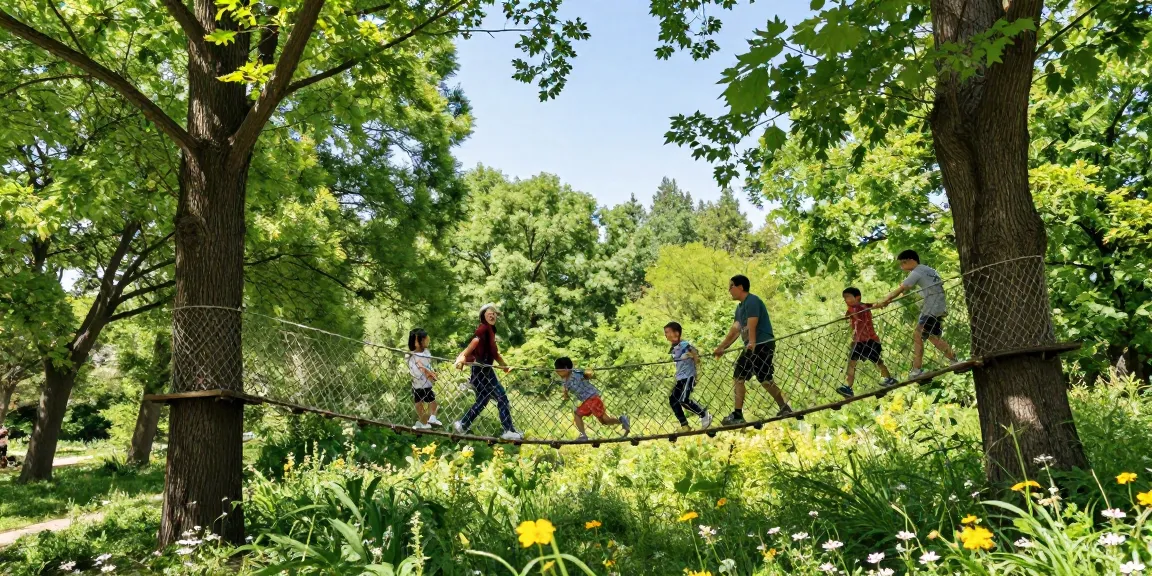
Understanding Rope Bridge Design
Rope bridges, with their unique combination of functionality and aesthetic appeal, have captured the imagination of many builders and outdoor enthusiasts alike. Whether connecting two treehouses in your garden or spanning a river in a rural landscape, rope bridges offer a versatile solution for both recreational and practical purposes. In this comprehensive guide, we delve into the intricacies of Rope Bridge design, exploring construction fundamentals, design considerations, and emerging trends that shape the future of this fascinating engineering endeavour.
The Fundamentals of Rope Bridge Construction
The construction of a rope bridge is rooted in essential engineering principles that ensure its stability and safety. At its core, a rope bridge utilises tension and compression to support loads; this makes understanding these forces critical for anyone looking to build one.
- Tension: Cables and ropes experience tensile stress, which pulls them apart. Proper tension is crucial for the load-bearing capabilities of the bridge.
- Compression: The bridge's support structures, often posts or trees, counteract the downward force applied by the bridge and its load.
- Flexibility: Rope bridges are designed to flex under load, which helps to absorb shock and maintain structural integrity.
Types of Rope Bridges and Their Uses
Rope bridges come in various designs, each tailored for specific applications and environments. Here are a few common types:
- Suspended Rope Bridges: Ideal for spanning large gaps, these bridges hang between two or more fixed points, making them suitable for crossing valleys or rivers.
- Fixed-Beam Rope Bridges: These bridges rest on fixed supports and often use ropes for additional support. They are commonly used in gardens and parks for aesthetic purposes.
- Log Rope Bridges: Combining wooden logs and ropes, these bridges offer rustic charm and are frequently found in outdoor adventure parks.
Materials and Tools Needed for Effective Design
Choosing the right materials is vital for the success of your rope bridge project. Below are some key materials and tools required:
- Cables: Galvanised steel cables are preferred for their strength and durability.
- Ropes: Synthetic ropes, such as nylon or polyester, are resistant to weather conditions and offer flexibility.
- Support Structures: Wooden posts or trees are often used for anchoring the bridge.
- Tools: Essential tools include a level, a saw, a drill, and a wrench for assembling components.
Planning Your Rope Bridge Project
Planning is an essential step in building a rope bridge, as it sets the foundation for a successful project. Proper assessment of the location and careful design considerations can significantly enhance both safety and aesthetics.
Assessing Location: Key Considerations for Safety
Before commencing your build, it’s crucial to evaluate the intended location carefully. Consider factors such as:
- Ground Stability: Ensure the ground can support the weight of the bridge and its load.
- Height and Clearance: Maintain adequate clearance for pedestrian traffic and vehicles, if applicable.
- Environmental Factors: Assess weather conditions and natural hazards such as flooding or falling branches.
Designing for Stability and Durability
Stability is key when designing your rope bridge. Incorporating features like cross-bracing and anchor points can significantly increase the bridge's overall strength.
- Cross-Bracing: This technique adds diagonal supports that prevent swaying and enhance rigidity.
- Anchor Points: Secure your bridge to solid structures to prevent movement.
Budgeting Your Rope Bridge Design and Build
Creating a budget is fundamental in ensuring your rope bridge can be built without financial strain. Key considerations include:
- Materials Cost: Source high-quality materials that fit within your budget.
- Labour Costs: Decide whether to undertake the project yourself or hire professionals.
- Maintenance Budget: Plan for future maintenance to keep the bridge safe and functional.
Building Techniques for a Safe Rope Bridge
Once planning and budgeting are finalised, you can move on to the construction phase. Adhering to established building techniques will ensure safety and longevity.
Step-by-Step Instructions for Construction
Below is a simplified procedure for building a basic rope bridge:
- Lay out your design and prepare the site, removing any obstacles.
- Install strong anchor posts securely in the ground.
- Attach the main cables to the anchor points.
- Install support ropes or decking between the cables.
- Test the bridge for stability before opening it to users.
Common Challenges in Rope Bridge Building
While building a rope bridge, you may encounter various challenges, including:
- Weather Conditions: Rain or wind can complicate construction; plan accordingly.
- Material Availability: Ensure you have all necessary materials beforehand.
- Design Changes: Be prepared to adapt your design based on site conditions.
Safety Measures and Best Practices
Safety should always be a priority. Consider implementing the following best practices:
- Use high-quality materials that can withstand environmental pressures.
- Conduct regular inspections to identify wear and tear.
- Ensure all users are aware of weight limits and safe crossing procedures.
Innovative Designs and Trends in Rope Bridges
As technology and design philosophies evolve, new trends emerge in rope bridge construction, enhancing both functionality and aesthetic appeal.
Emerging Trends in Rope Bridge Aesthetics
Contemporary designs focus on blending bridges with their surrounding natural landscapes. Innovations may include:
- Eco-Friendly Materials: Using sustainable materials reduces environmental impact.
- Unique Shapes: Asymmetrical designs add visual interest while maintaining structural integrity.
Integrating Rope Bridges into Natural Landscapes
Modern rope bridges often aim to harmonise with nature rather than disrupt it. Strategies include:
- Natural Colouring: Employing colours that mimic the surrounding flora.
- Minimalist Designs: Reducing visual clutter to enhance natural beauty.
Case Studies of Successful Rope Bridge Projects
Several successful projects highlight innovative rope bridge designs:
- Highline Park Bridge: This urban project integrates green space with pedestrian access, showcasing how rope bridges can rejuvenate urban environments.
- Forest Canopy Bridges: Found in eco-parks, these bridges allow visitors to explore treetops while preserving the ecosystem below.
Frequently Asked Questions about Rope Bridge Design
How do I build a rope bridge?
Building a rope bridge involves careful planning, choosing the right materials, and following a systematic construction process. Begin with thorough site assessment, gather necessary materials, and adhere to best building practices.
What are the different types of rope bridges?
Common types of rope bridges include suspended bridges, fixed-beam bridges, and log rope bridges, each serving unique purposes in various environments.
How much does a rope bridge cost?
The cost of building a rope bridge varies significantly based on size, materials, and design complexity. A simple backyard bridge may cost a few hundred pounds, while larger, custom designs could reach several thousand pounds.
What is the simplest bridge design?
A simple rope bridge can be designed with basic materials, utilising two anchor points and a single layer of decking. This minimal design is often suitable for short spans.
Can I design a rope bridge for my backyard?
Yes! Designing a rope bridge for your backyard can enhance your outdoor space, providing both aesthetic value and practical utility. Ensure you follow safety guidelines and consider local building regulations.