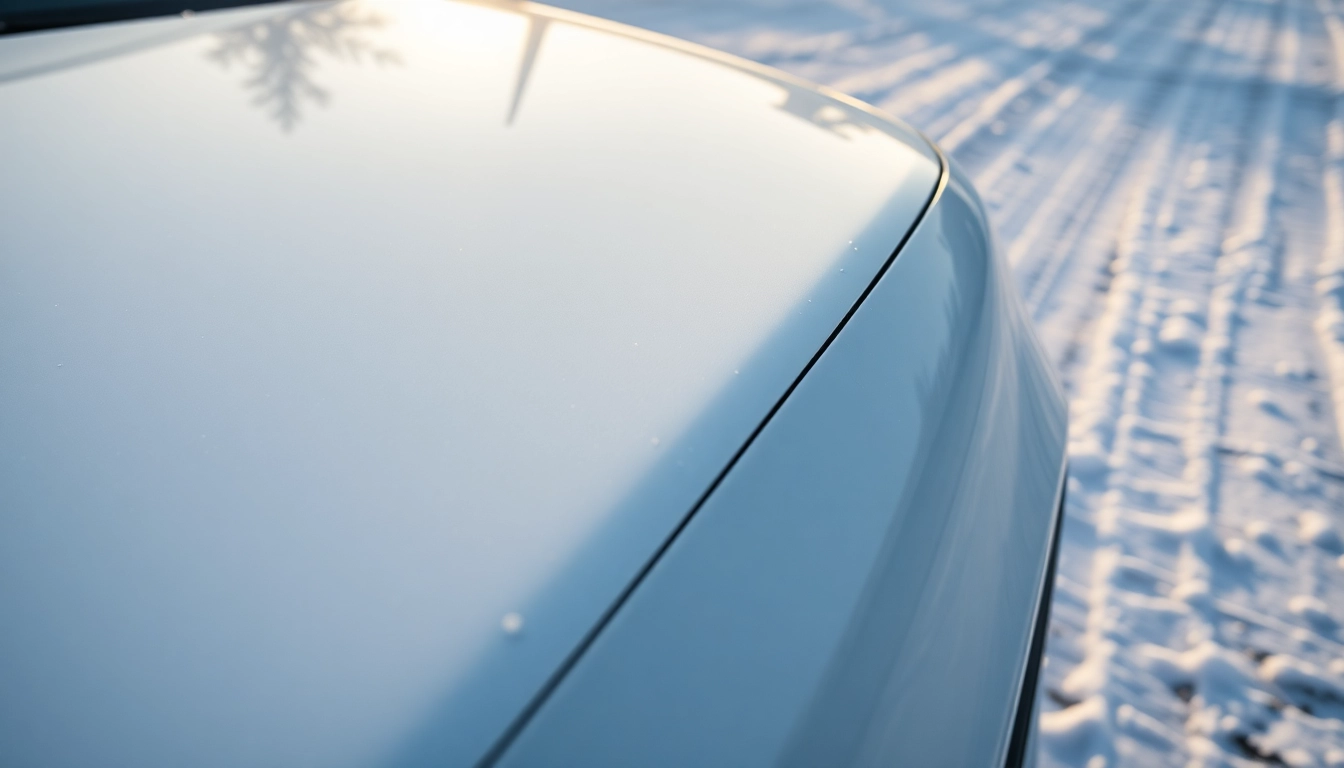
Understanding PPF Winter Road Salt Protection
The winter months can be brutal for vehicle exteriors, and road salt is one of the primary culprits behind paint damage. To combat this threat, many car owners turn to advanced solutions such as Paint Protection Film (PPF). This article delves into how PPF offers essential PPF winter road salt protection and enhances vehicle longevity while also exploring effective application techniques and maintenance strategies.
What is Paint Protection Film (PPF)?
Paint Protection Film (PPF) is a transparent urethane polymer that provides a durable barrier between your vehicle's paint and external elements. Originally designed for military applications to protect helicopter blades, PPF has evolved into a widely-used solution for consumer vehicles. Its primary function is to shield paint surfaces from scratches, chips, and corrosion while being virtually invisible, thus preserving the aesthetic quality of your vehicle.
How Does PPF Protect Against Winter Elements?
PPF shields your vehicle from winter-specific hazards. Road salt, snow, and ice can be detrimental to a car's finish. The film acts as a barrier, preventing these elements from directly contacting the paint. Moreover, it has self-healing properties that enable minor scratches to disappear with heat exposure, ensuring your vehicle maintains its clarity and shine despite winter’s harsh conditions.
Key Benefits of Using PPF in Winter
- Corrosion Resistance: PPF inhibits the penetration of moisture and salt, which are conducive to rust and corrosion.
- Scratch Resistance: It effectively absorbs minor abrasions, protecting your vehicle's surface from scratches caused by snow and ice.
- Self-Healing Properties: Minor scratches can heal themselves when exposed to heat, maintaining the film's integrity.
- Aesthetic Preservation: The film ensures your vehicle maintains its glossy finish by safeguarding against dulling effects caused by winter weather.
- Increased Resale Value: A vehicle with a pristine exterior will generally command a higher resale value.
Common Winter Hazards for Your Vehicle
Impact of Road Salt on Vehicle Finish
Road salt is a common de-icing agent used to keep roads safe during winter. However, its chemical composition can be corrosive, leading to paint damage, rust formation, and structural issues if left unaddressed. When salt accumulates on surfaces, it can penetrate microscopic cracks in the paint, ultimately compromising the car’s finish and potentially resulting in expensive repairs.
Other Environmental Factors to Consider
Beyond road salt, other winter elements can pose risks to your vehicle. Snow and ice can lead to scratches and chips, especially during snow removal or adherence to the vehicle surface. Additionally, harsh cleaning agents used in car washes can strip away protective coatings, heightening the need for PPF.
Identifying Vulnerable Areas
Recognizing which areas of your vehicle are most vulnerable is crucial for effective protection. Key areas that require extra attention include:
- Hoods and fenders, where flying debris can cause chips.
- Door edges and sills, which often experience wear.
- Rear bumpers, where road spray accumulation can occur.
- Mirror housings, which are prone to scratches from ice removal.
By focusing on these high-impact areas when applying PPF, you can optimize overall protection.
Applying PPF for Maximum Protection
Choosing the Right PPF Material
When selecting PPF, consider factors such as thickness, clarity, and durability. High-quality PPF materials typically range from 6 to 12 mils thick, offering greater protection without compromising visibility. Look for films that boast a warranty of at least five years, indicating their durability. Additionally, some manufacturers offer products specifically engineered for extreme conditions, making them ideal for winter use.
Professional Application vs. DIY
While DIY installation can be tempting due to cost savings, professional installation is usually recommended for optimal results. Professionals have the right tools and expertise, ensuring that the film is applied seamlessly, with the advantage of access to specific techniques that help avoid bubbles or misalignment. If you choose to install PPF yourself, take time to educate yourself about the process, use high-quality materials, and ensure that you have a controlled environment to work in.
Maintaining Your PPF During Winter
Proper maintenance extends the life and effectiveness of PPF. It starts with regular cleaning using a pH-balanced soap and microfiber towels. Avoid harsh chemicals, as they can degrade the film. Additionally, after winter storms, ensure to clear away snow and ice quickly to prevent extended exposure to moisture. Periodic inspections will also help catch any potential issues early before they escalate.
Performance Metrics of PPF in Winter Conditions
Evaluating Durability Over Time
To assess the performance of PPF, it is critical to monitor its durability against winter elements. High-quality films should withstand constant exposure to salt, moisture, and debris while maintaining their functionality. Most reputable brands submit their products for testing, measuring performance parameters like tear strength, adhesive longevity, and self-healing capabilities.
Understanding Cost vs. Benefit Analysis
The investment in PPF can feel significant upfront; however, evaluating potential cost savings from a long-term perspective is essential. Weather-induced cosmetic repairs and rust prevention can be more costly than the initial expense of PPF installation. To determine savings, one should consider the cost of maintaining a vehicle's appearance and the overall depreciation associated with poor exterior upkeep over time.
Real-World Case Studies
Many vehicle owners have reported notable improvements in their car’s appearance and maintenance costs after applying PPF. For instance, a case study involving a mid-range sedan in a snowy region revealed that a vehicle treated with PPF experienced significantly less corrosion compared to untreated vehicles over three winters. The owner saved on average 30% in maintenance costs related to paint repair and detailing due to the superior protection offered by the PPF.
FAQs about PPF Winter Road Salt Protection
How long does PPF last in winter conditions?
PPF can last several years, but its longevity depends on the quality of installation and maintenance during winter months.
Can PPF be applied over scratches?
PPF should not be applied over deep scratches; it's best to repair the surface before installation for optimal results.
Is PPF removable without damaging paint?
Yes, professionally installed PPF can be removed without harming the underlying paint if done correctly.
How does PPF affect car paint aesthetics?
PPF enhances the paint gloss and ensures it maintains its shine, making your vehicle look better for longer.
What maintenance is required for PPF?
Regular washing and avoiding harsh chemicals can help maintain the effectiveness and appearance of PPF during winter.