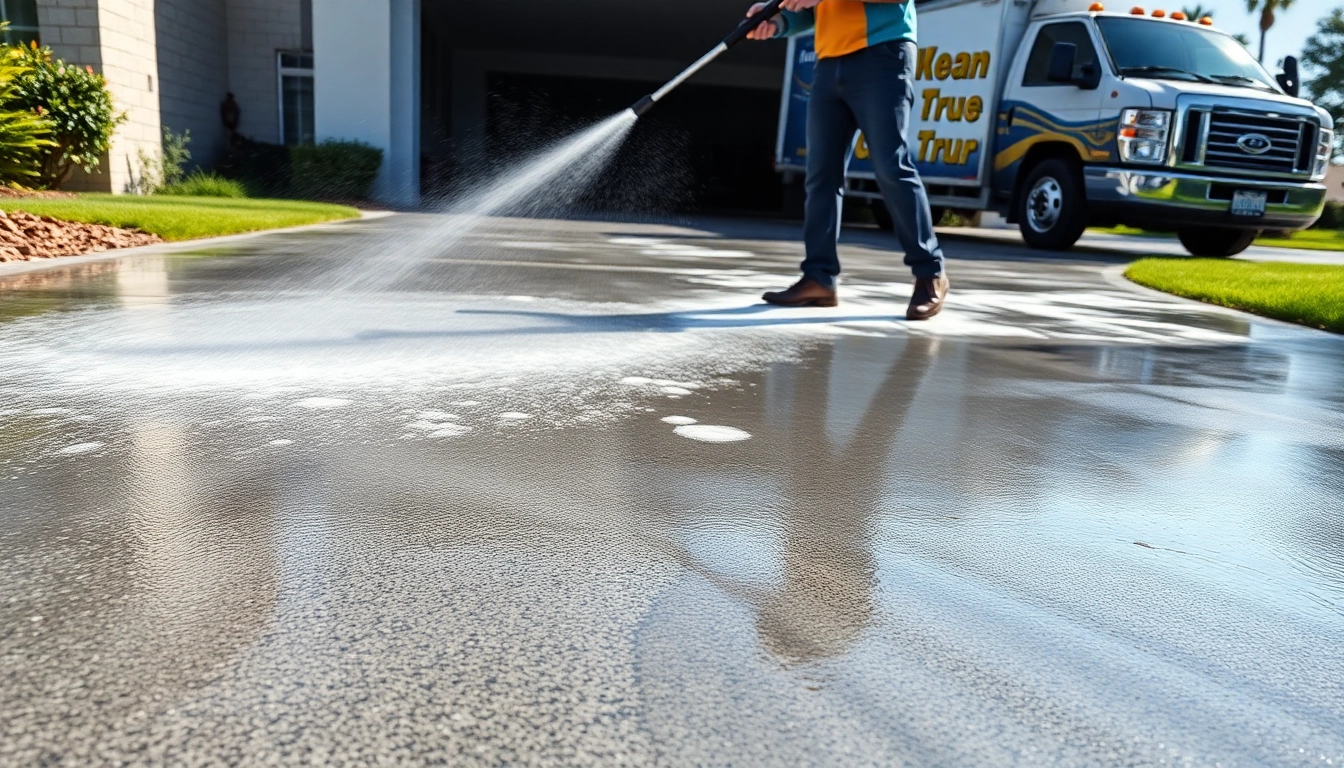
Understanding Concrete Cleaning: The Basics
Concrete surfaces, whether driveways, sidewalks, or patios, are remarkably durable but can also become dull and stained over time. Regular concrete cleaning is essential for maintaining their aesthetic appeal and longevity. In this comprehensive guide, we will delve into the nuances of concrete cleaning, exploring various methods and best practices to ensure your concrete surfaces remain pristine and functional.
What is Concrete Cleaning?
Concrete cleaning refers to the process of removing dirt, grime, stains, and other contaminants from concrete surfaces. This essential maintenance task not only improves the visual appearance of your property but also helps to prolong the life of the concrete by preventing the deterioration of the surface. Proper cleaning involves using various techniques, including pressure washing, chemical cleaning, and scrubbing.
The Importance of Regular Maintenance
Regular maintenance of concrete surfaces is crucial for several reasons:
- Aesthetic Appeal: Clean concrete enhances the overall look of your property, making it more appealing to visitors and potential buyers.
- Safety: Dirty concrete can become slippery, especially when wet, posing a risk for slips and falls.
- Longevity: Regular cleaning removes harmful substances such as oil, mildew, and algae, which can deteriorate the concrete over time.
Common Types of Concrete Stains
Concrete can be susceptible to various types of stains, which can arise from different sources:
- Oil and Grease: Commonly found in driveways and garages, these stains can be particularly challenging to remove.
- Mold and Mildew: Moisture can cause these organic stains, leading to unsightly black or green patches.
- Rust: Often caused by metal furniture or equipment left on concrete surfaces, rust stains can be unsightly and difficult to eliminate.
- Food and Beverage Spills: Concrete surfaces around patios and outdoor entertainment areas can suffer from stains resulting from spills, which can attract pests if not cleaned properly.
Preparing for Concrete Cleaning
Before embarking on a concrete cleaning project, it is essential to prepare adequately. Effective preparation ensures that the cleaning process is efficient and successful.
Essential Tools and Equipment for Effective Cleaning
Having the right tools can significantly impact the effectiveness of your cleaning efforts. Here are some essentials you may need:
- Pressure washer (with the appropriate PSI for concrete surfaces)
- Concrete cleaner or degreaser
- Appropriate safety gear (gloves, goggles, and masks)
- Broom or scrub brush
- Water source and extension cords (if necessary)
Safety Precautions to Consider
Safety should always be a priority during concrete cleaning tasks. Consider these precautions:
- Wear appropriate personal protective equipment (PPE) like gloves and goggles.
- Ensure the work area is clear of obstacles to prevent accidents.
- Follow manufacturer instructions for cleaning solutions and equipment.
Choosing the Right Cleaning Solutions
Not all concrete stains can be removed with water alone. It is essential to select the right cleaning solutions based on the types of stains you are dealing with:
- For Oil Stains: Use a degreaser or a specialized concrete cleaner to break down the oil.
- For Mold and Mildew: Chlorine bleach or vinegar mixed with water can help eliminate organic growth.
- For Rust Stains: Consider using rust removers available in stores specifically designed for concrete.
Effective Techniques for Concrete Cleaning
Now that you are prepared for cleaning, let’s explore the most effective techniques for cleaning concrete surfaces.
Pressure Washing vs. Soft Washing: What to Choose?
When cleaning concrete, understanding the difference between pressure washing and soft washing is essential:
- Pressure Washing: This technique uses high-pressure water jets to blast away dirt and stains, making it perfect for tough stains. However, it can be too harsh for delicate surfaces.
- Soft Washing: This method combines a low-pressure water application with specialized cleaning solutions. It is ideal for cleaning softer surfaces without causing damage.
Step-by-Step Guide to Pressure Washing Concrete
Here’s how to effectively pressure wash concrete:
- Preparation: Clear the area of furniture and debris. Ensure that all safety measures are in place.
- Pre-Treatment: Apply a concrete cleaner to stains, allowing it to sit for the recommended duration.
- Setting Up the Pressure Washer: Connect the machine to the water supply, set the appropriate nozzle, and adjust the pressure settings.
- Washing: Start from one corner of the concrete surface and work your way across, overlapping each pass to avoid streaks.
- Rinsing: After pressure washing, rinse the area with clean water to remove any cleaning solution residue.
Advanced Techniques for Tough Stains
For particularly stubborn stains, you may need to employ advanced techniques:
- Heat: Using hot water can help break down grease and oil more effectively than cold water.
- Specialized Chemicals: For severe stains, consider hiring professionals who use industrial-strength cleaners.
- Scrubbing: Combining pressure washing with manual scrubbing can enhance results for tougher stains.
Best Practices for Long-Lasting Results
Once your concrete is clean, taking steps to maintain its appearance is vital for long-lasting results.
Post-Cleaning Care and Maintenance
After cleaning, implement the following care practices:
- Regular sweeping to remove debris and prevent stains.
- Promptly cleaning up spills to avoid permanent stains.
- Considering a routine cleaning schedule based on your property’s specific needs.
Sealing Concrete: When and Why?
Sealing your concrete surfaces after cleaning can add an extra layer of protection. It prevents stains and damage from environmental factors, extending the lifespan of your concrete. Optimal sealing typically occurs once the concrete is entirely dry, and should be reapplied every few years depending on exposure and wear.
Frequency Recommendations for Concrete Cleaning
How often you need to clean your concrete surfaces depends on various factors, including:
- Location and exposure to dirt and grime (e.g., driveways vs. patios).
- Volume of foot and vehicle traffic.
- Presence of trees or vegetation that may contribute to staining.
Generally, a good rule of thumb is to clean concrete surfaces at least once or twice a year.
Future Trends in Concrete Cleaning for 2025 and Beyond
The concrete cleaning industry is evolving, with new technologies and practices emerging to enhance cleaning efficiency and effectiveness.
Innovative Technologies in Concrete Cleaning
Expect to see advanced pressure washing equipment with smart capabilities that adjust water pressure and temperature according to the types of stains present. Moreover, remote and robotic cleaning technologies are on the rise, allowing for faster and safer cleaning.
Eco-Friendly Cleaning Solutions on the Rise
As environmental concerns grow, more consumers are seeking eco-friendly cleaning solutions. Biodegradable and non-toxic cleaners are increasingly available, providing effective results without harming the environment.
Consumer Expectations and Industry Standards
Today’s consumers are more informed and demanding when it comes to service quality and sustainability. As a result, companies must adopt transparent practices, improve customer communication, and stay updated with industry standards to meet these expectations.
With these insights into concrete cleaning, homeowners and property managers can better maintain their properties, ensuring that their concrete surfaces remain clean, safe, and visually appealing for years to come. By following best practices and leveraging new technologies, anyone can achieve stunning results that enhance curb appeal and property value.